Case studies

Applied product and manufacturing decision support.

These representative case studies show how Orion Design turns fuzzy project questions into structured design, manufacturing, lifecycle, and commercial decisions. They are intended to show the shape of the work rather than disclose confidential project detail.

Representative examples

Older project work that shows the range behind the consultancy.

These examples show the kind of problems Orion helps solve: technical packaging, route-to-manufacture decisions, plastic part detail, and early product-definition work where the next choice matters.

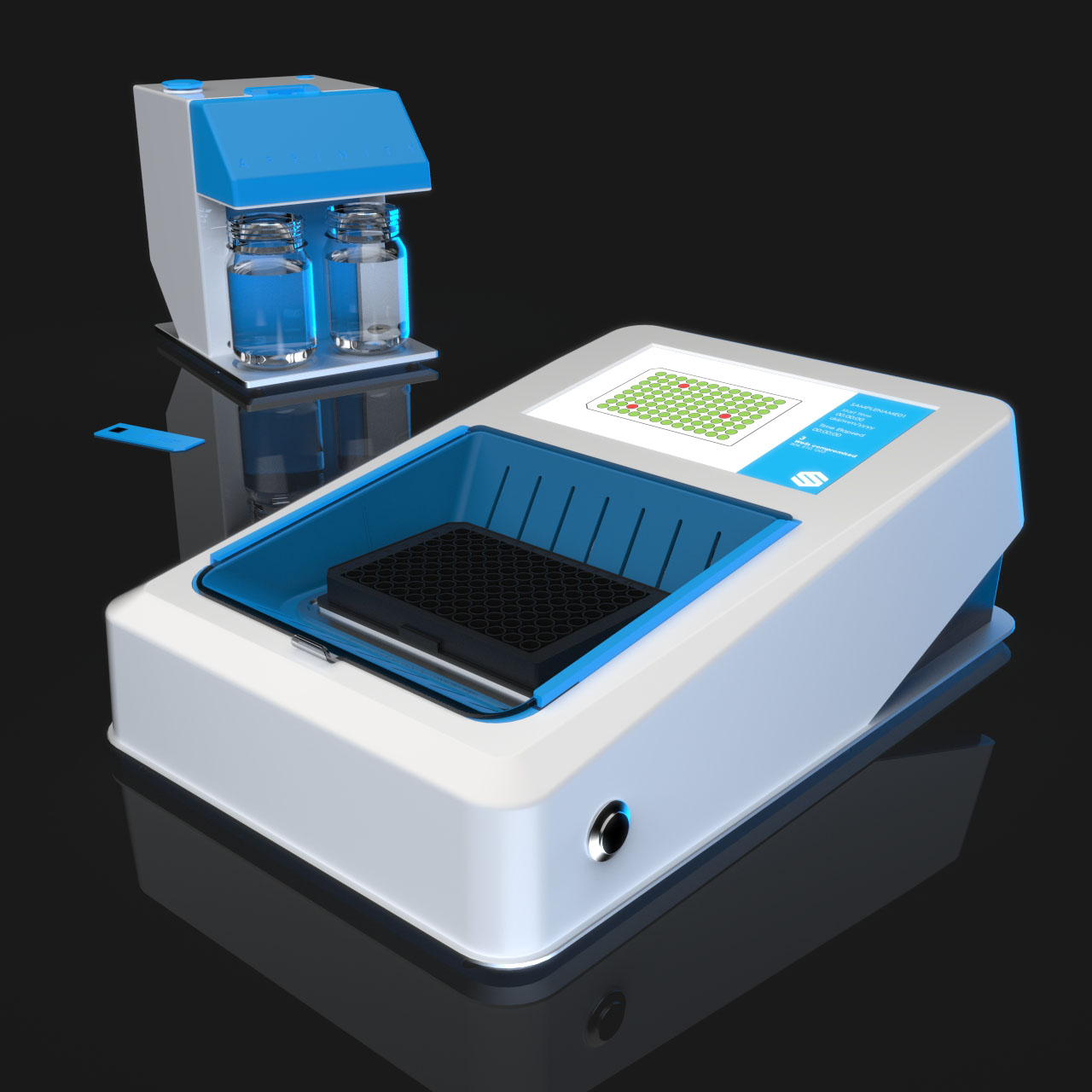
Causeway Sensors laboratory device concept showing scientific hardware product design and enclosure work

University spin-out / scientific hardware

Causeway Sensors

Before: A university research team had developed novel sensor technology but no clear path to turn it into a product. The engineering was sound, but the physical product — how it would be housed, used, and presented — was undefined.

Decision: We focused on enclosure architecture that protected sensor alignment while making the product approachable for benchtop laboratory use. The key was shifting alignment tolerance from the enclosure to a dedicated mounting plate — a trade-off that reduced cost without compromising performance.

After: A product definition clear enough to support funding conversations and a manufacturable enclosure strategy that did not require precision injection moulding to achieve.

Challenge Translate technical function into a credible physical product
Focus Enclosure logic, usability, and manufacturable detail
Value Sharper product definition before deeper industrialisation effort
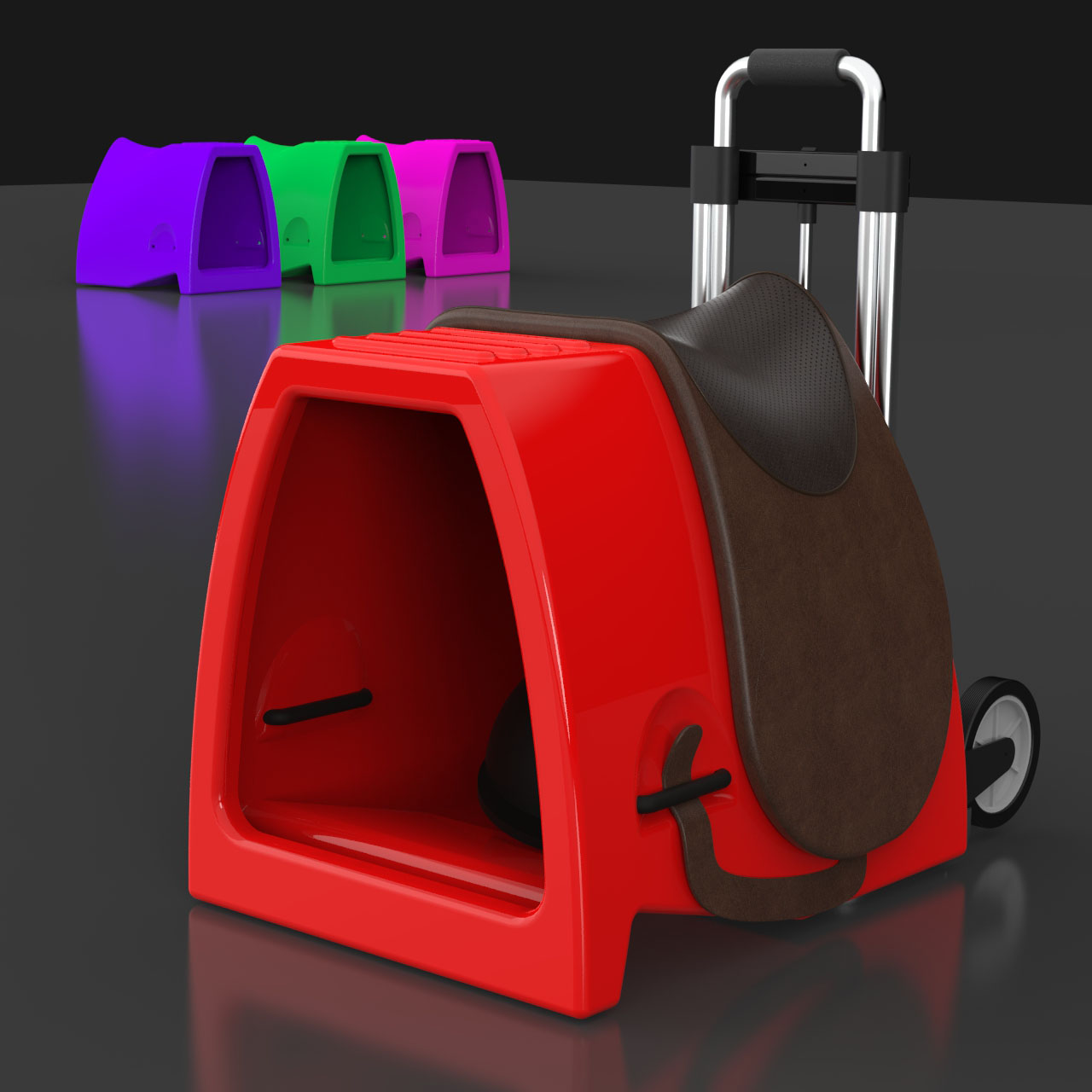
Rolltack travel product concept showing start-up product design and concept to manufacture work

Start-up / concept to manufacture

Rolltack

Before: A travel product concept that looked strong in renders — portable, clever mechanism, appealing form — but with no clear path from prototype to production.

Decision: We restructured the part strategy around staged manufacturing commitment. Rather than committing to expensive tooling early, we identified a bridge production method that would validate the design while keeping options open for injection moulding later.

After: A production roadmap that aligned product ambition with manufacturing reality, and a clear understanding of when to make the tooling jump.

Challenge Move from attractive concept to viable production path
Focus Architecture, portability, part strategy, and staged commitment
Value Better alignment between product ambition and manufacturing reality
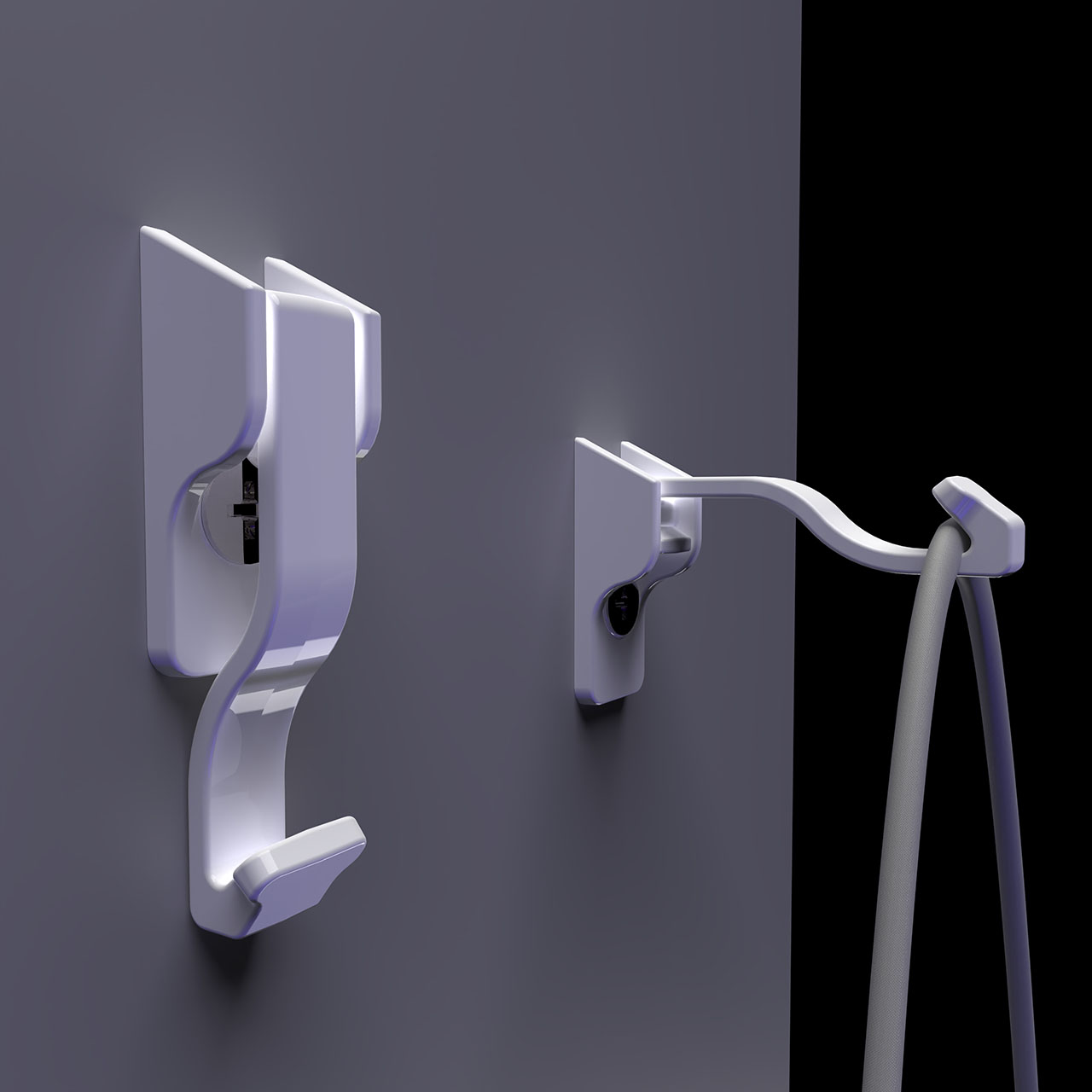
Katchy Hooks wall accessory concept showing consumer product design for manufacture

Consumer accessory / DFM

Katchy Hooks

Before: A simple wall-mounted product that risked hidden manufacturing cost — complex undercuts, expensive tooling, or assembly friction that would not be visible until production.

Decision: We re-architected the part geometry to eliminate undercuts and designed for a two-cavity tool that kept tooling investment modest while delivering a resolved, premium feel.

After: A product where the manufacturing logic is invisible to the user — the simplicity they experience is matched by the simplicity of production.

Challenge Make a simple product feel resolved without hidden manufacturing cost
Focus Plastic part detail, geometry discipline, and manufacturability
Value Cleaner production logic and fewer late-stage surprises
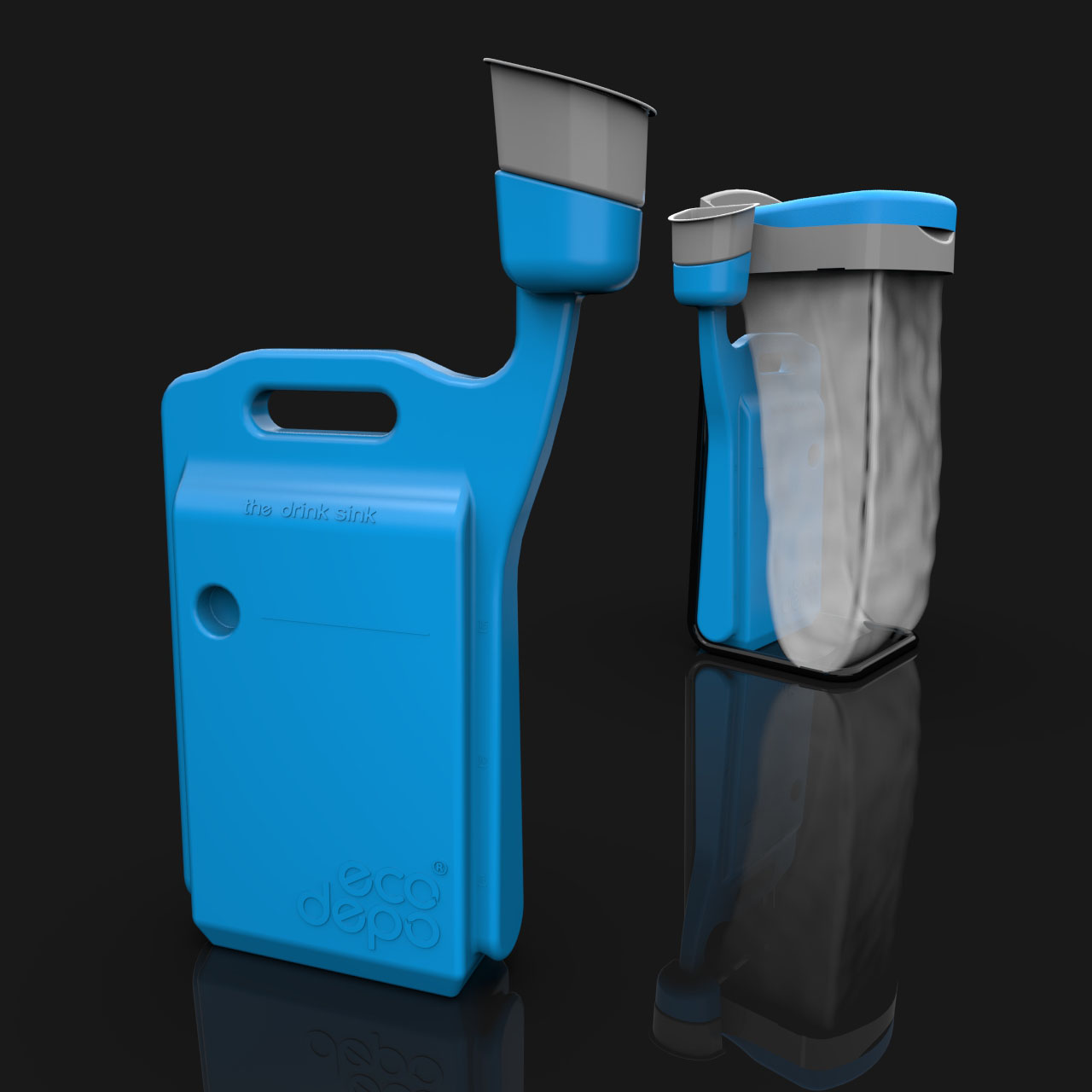
Eco Depo product showing plastic parts design for manufacture by Orion Design

Plastic product / manufacture

Eco Depo

Before: A product caught between concept and production — detailed enough to prototype but not defined enough to have a credible manufacturing conversation.

Decision: We resolved part strategy and manufacturing assumptions early, focusing on the practical detail that sits between a promising concept and production-ready dialogue: wall thickness, draft angles, gate locations, and usability cues that survive the process.

After: Conversations with manufacturers grounded in specific geometry rather than vague requirements — fewer surprises, clearer quotes, faster path to production.

Challenge Resolve product detail early enough to guide process choice
Focus Part strategy, manufacturing assumptions, and usability cues
Value More grounded conversations about cost, tooling, and scale

How the work is framed

Typical decision pattern.

Most projects look different on the surface, but the same underlying questions appear repeatedly.

Question 1

What should the team optimise for right now?

Learning speed, unit economics, manufacturability, sustainability, or investor readiness. The wrong optimisation target usually creates waste.

Question 2

What evidence is still missing?

Good case work clarifies what the project knows, what it assumes, and what must be tested before making the next commitment.

Question 3

What decision becomes easier after the work?

The goal is not just analysis. It is a better product, manufacturing, or commercial decision with clearer trade-offs.

Need this level of thinking applied to a live product?

If your team is facing similar questions around manufacturability, cost, product architecture, or timing, Orion Design can help work through them on a live project.